PRV Installation
& Replacement
in Bay Area, CA
Do you hear a loud banging in your walls every time you turn off a faucet? Does your shower feel like a power washer one day and barely trickle the next? These are signs your pressure reducing valve has failed. When a PRV stops working, the full force of the city's water main, often exceeding 100 PSI, hammers directly into your home's plumbing. That unregulated pressure destroys rubber washers, cracks faucet cartridges, strains your water heater tank, and shortens the lifespan of every appliance connected to your water supply.
At United Plumbing and Water Heaters, we install and replace pressure reducing valves on residential water supply lines throughout the Bay Area. We serve Dublin, CA, Pleasanton, Livermore, and communities along the I-80 corridor up to Sacramento and Roseville. Our experienced plumber will test your incoming water pressure with a calibrated gauge, shut off the water at the meter, cut out the failed PRV, and install a new lead-free brass valve sized correctly for your home. We set the output pressure to the recommended 50 to 60 PSI range and verify the reading at multiple fixtures before leaving.
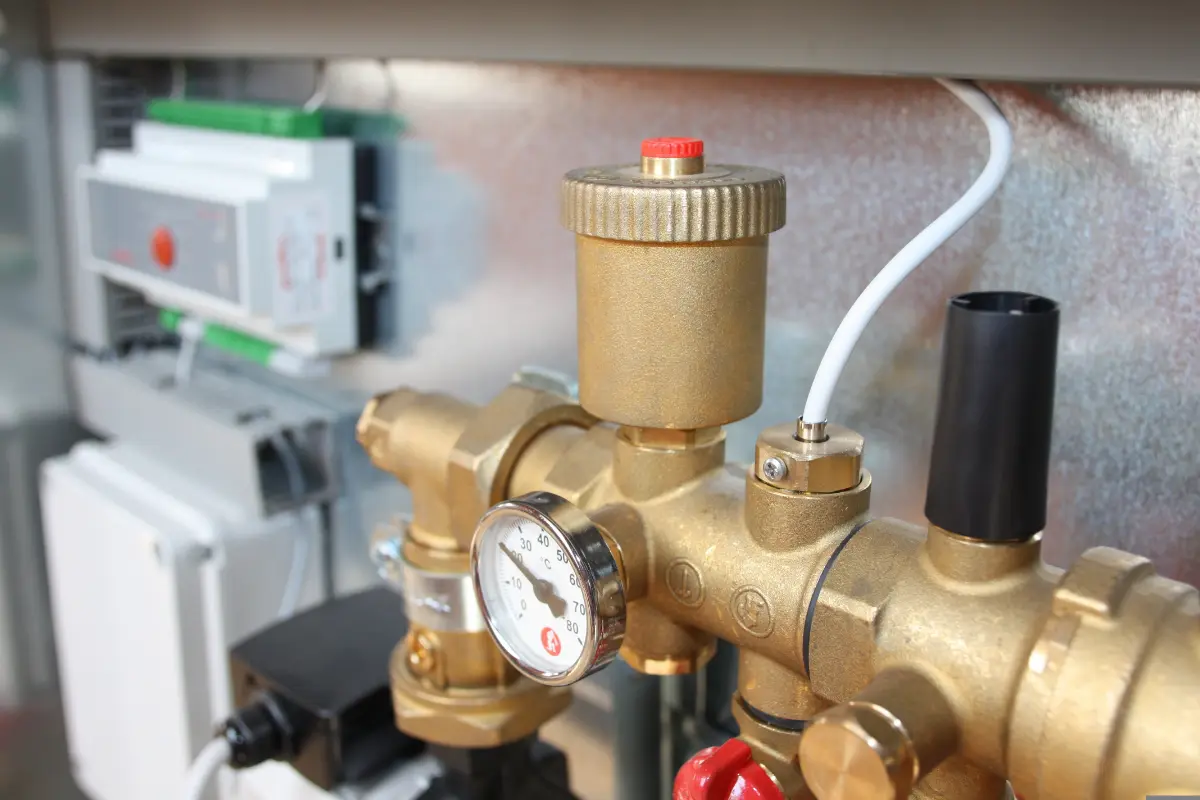
Signs You Need PRV Replacement
Most homeowners don't know they have a pressure reducing valve until it fails. A quick way to check is to attach a $10 pressure gauge to an outdoor hose bib. If the reading is above 75 PSI, your PRV is no longer doing its job. The ideal range for residential plumbing is 40 to 65 PSI. Anything above that accelerates wear on every fixture, appliance, and pipe fitting in the house. If you notice any of the following, contact us.
Water Hammer (Banging Pipes)
A loud thud or banging sound when you shut off a faucet or when the dishwasher valve closes is called water hammer. It is caused by high-velocity water slamming to a stop inside the pipe. While a water hammer arrestor can dampen the noise, the root cause is almost always excessive water pressure from a failed PRV.
Excessively High Water Pressure
If the shower feels like a fire hose or the kitchen faucet splashes aggressively when turned on, your incoming pressure is likely well above 80 PSI. Unregulated pressure puts constant stress on supply lines, faucet cartridges, toilet fill valves, washing machine hoses, and your water heater tank.
Fluctuating or Unstable Pressure
A PRV that is partially seized or has a damaged internal spring can cause pressure to swing between too high and too low throughout the day. You might notice strong pressure in the morning that drops to a trickle by evening. This inconsistency means the valve is failing and needs replacement.
Leaking PRV or Water at the Valve
Water dripping from the bell-shaped PRV body or from the adjustment screw on top indicates the internal diaphragm or seat has failed. A leaking PRV cannot maintain correct pressure and will continue to deteriorate. The entire valve needs to be replaced.
Frequent Fixture Failures
If you're replacing toilet fill valves, faucet cartridges, or washing machine hoses more often than normal, high water pressure is the likely cause. These components are engineered to operate within 40 to 80 PSI. Sustained pressure above that range cuts their lifespan in half or more.
PRV Over 7-12 Years Old
Pressure reducing valves have a typical lifespan of 7 to 12 years depending on water quality and usage. In the Bay Area where hard water is common, mineral deposits build up inside the valve body and degrade the rubber diaphragm faster. If your PRV has never been replaced, it is likely past its service life.
How Our PRV Replacement Works
Call or Book Online
Contact us by phone or through our online form. We confirm your appointment immediately and give you an arrival window.
Technician Arrives Fast
Our licensed plumber arrives on time, tests the incoming water pressure at a hose bib with a calibrated gauge, locates the existing PRV on your main supply line, and inspects the surrounding pipe condition before starting any work.
Flat-Rate Quote
We give you a clear, flat-rate price before touching anything. No hidden fees, no surprises. Most PRV replacements run between $500 and $900 including the valve and labor.
Replacement & Calibration
We shut off the water at the meter, cut out the old valve, install a new lead-free brass PRV with proper fittings, set the output pressure to 50-60 PSI, restore water flow, and verify the pressure reading at multiple fixtures. Every job is backed by our warranty on parts and labor.
Why Bay Area Homeowners Choose Us?
Over 7 years and 16,000+ jobs completed across Bay Area & Sacramento.
- ✓CSLB License #1116823
- ✓Flat-rate pricing
- ✓Same-day PRV replacement available
- ✓Warranty on all parts and labor
- ✓Available 24/7 with no overtime charges
- ✓FREE water pressure test with every visit
- ✓We install thermal expansion tanks when required by code

PRV Service Areas in Bay Area
We provide pressure reducing valve installation and replacement across the following cities and surrounding areas:
Frequently Asked Questions
Common questions about pressure reducing valve installation and replacement in Bay Area.