Back to Home
Bay Area Plumbing Services

Sewer Line Repair
& Replacement
in Bay Area, CA

Are multiple drains in your house backing up at the same time? Does raw sewage come up through your floor drain or bathtub every time you flush a toilet? That means your main sewer line is blocked, broken, or collapsed. Every flush sends waste water into your subfloor, crawl space, or yard instead of the municipal sewer. This is not a clog you can fix with a plunger. It requires a licensed plumber with camera inspection equipment and the right excavation or trenchless technology to locate and repair the failure point.

At United Plumbing and Water Heaters, we diagnose and repair residential sewer lines using camera inspection, powered auger snaking, hydro jetting, spot repair, trenchless pipe lining (CIPP), pipe bursting, and traditional excavation. We serve Dublin, CA, Pleasanton, Livermore, and communities along the I-80 corridor up to Sacramento and Roseville. Our licensed plumber will run a camera through your sewer lateral to identify the exact location and cause of the problem, present you with repair options and a flat-rate quote, and complete the work with permits and city inspection as required.
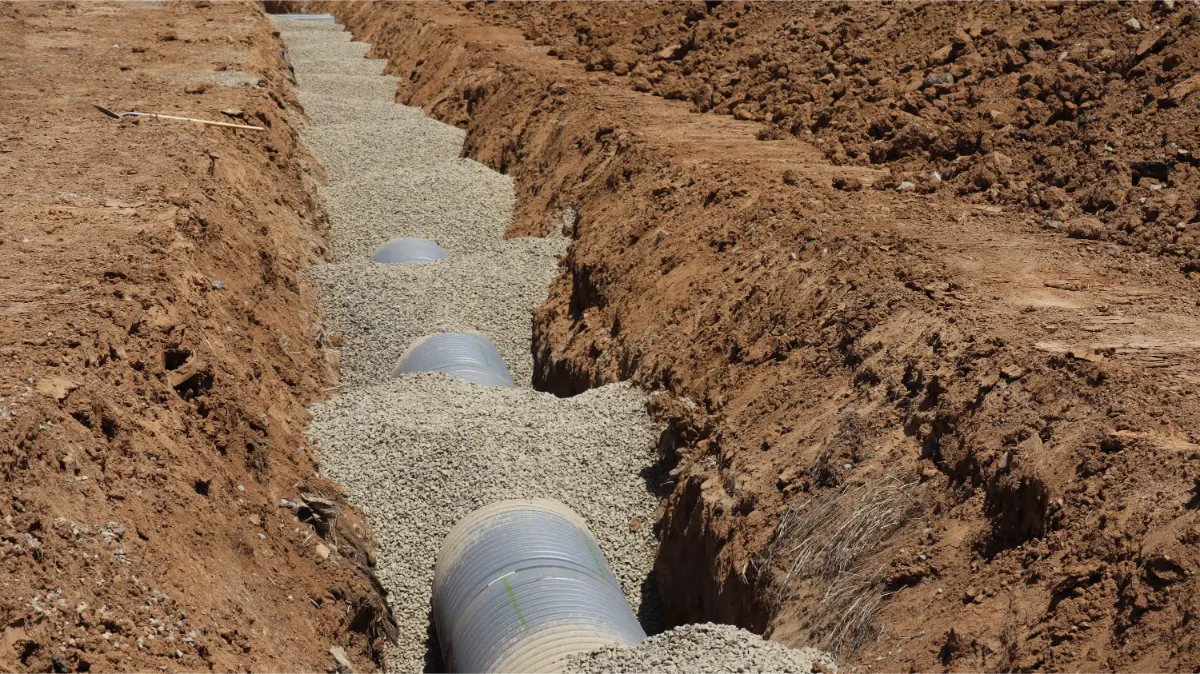
★★★★★ 4.9/5 Average | ✓ CSLB Licensed #1116823
Sewer Line Repair and Replacement Bay Area

Signs You Need Sewer Line Repair or Replacement

Your sewer lateral is the underground pipe that carries all waste water from your home to the city sewer main under the street. In most Bay Area jurisdictions the homeowner is responsible for the entire lateral from the house to the city connection. Many Bay Area homes built before 1970 have original clay or cast iron sewer lines that are now 50 to 60 years old and approaching or past their service life. If you notice any of the following, contact us for a camera inspection before the problem escalates.

Multiple Drains Backing Up

When more than one fixture backs up at the same time, the blockage is in the main sewer line, not in an individual branch. Flushing a toilet causes water to rise in the bathtub. Running the washing machine causes the floor drain to overflow. This means waste water has nowhere to go and is pushing back through the lowest open drain in the house.

Sewage Smell in the Yard

A persistent sewage odor in your front yard, side yard, or near the sewer cleanout indicates a break or separation in the underground pipe. Sewage is leaking into the surrounding soil. You may also notice a patch of unusually green or lush grass in one area. That area is being fertilized by the leaking waste water.

Recurring Main Line Clogs

If a plumber has snaked your main sewer line two or more times in the last 12 months and the clog keeps coming back, the pipe has a structural problem that snaking cannot fix. Common causes include tree root intrusion through cracked joints, a bellied pipe section where the pipe has sagged and collects debris, or internal deterioration of old clay or cast iron pipe.

Sinkholes or Wet Spots in the Yard

A soft or sunken area in the yard above the sewer line path means the pipe has broken and is eroding the soil around it. Over time this creates a void that collapses into a visible sinkhole. A persistently wet or soggy spot in the yard when it hasn't rained is another clear indicator. The break needs to be repaired before the erosion undermines your driveway, walkway, or foundation.

Slow Drains Throughout the House

If every fixture in the house drains slower than normal, the main sewer line is partially obstructed. The obstruction may be tree roots growing through a joint, a partial collapse of the pipe, or a thick layer of grease and scale narrowing the interior diameter. A camera inspection will show exactly what is restricting the flow and where.

Home Built Before 1970 with Original Pipe

Clay pipe was the standard sewer lateral material in the Bay Area until the 1970s. Cast iron was common through the 1980s. Clay pipe joints separate over time allowing roots to enter. Cast iron corrodes internally and can collapse after 50 to 80 years. If your home has original sewer pipe and has never had a camera inspection, a proactive evaluation is strongly recommended before a failure forces an emergency excavation.

How Our Sewer Line Service Works

01

Call or Book Online

Contact us by phone or through our online form. We confirm your appointment immediately and give you an arrival window. Emergency sewer line service available.

02

Camera Inspection

Our licensed plumber inserts a high-resolution waterproof camera through the cleanout and feeds it through the entire sewer lateral. We identify the exact location, depth, and cause of the failure. You see the footage in real time on our monitor.

03

Flat-Rate Quote & Options

Based on the camera findings we present repair options. Spot repair for isolated breaks runs $1,500 to $4,000. Trenchless pipe lining runs $4,000 to $12,000. Full excavation and replacement runs $5,000 to $15,000+. We explain the pros and cons of each method for your situation. No pressure, no upselling.

04

Repair & Inspection

We pull the required permit, call 811 for utility marking, complete the repair using the agreed method, backfill and compact the excavation if applicable, run a final camera pass to confirm the repair is clean, and schedule the city inspection. Every job is backed by our warranty on parts and labor.

Why Bay Area Homeowners Choose Us?

Over 7 years and 16,000+ jobs completed across Bay Area & Sacramento.

  • CSLB License #1116823
  • Flat-rate pricing
  • Same-day emergency sewer line service
  • Warranty on all parts and labor
  • Available 24/7 with no overtime charges
  • Camera inspection on every sewer line job
  • We handle permits, 811 utility marking, and city inspections
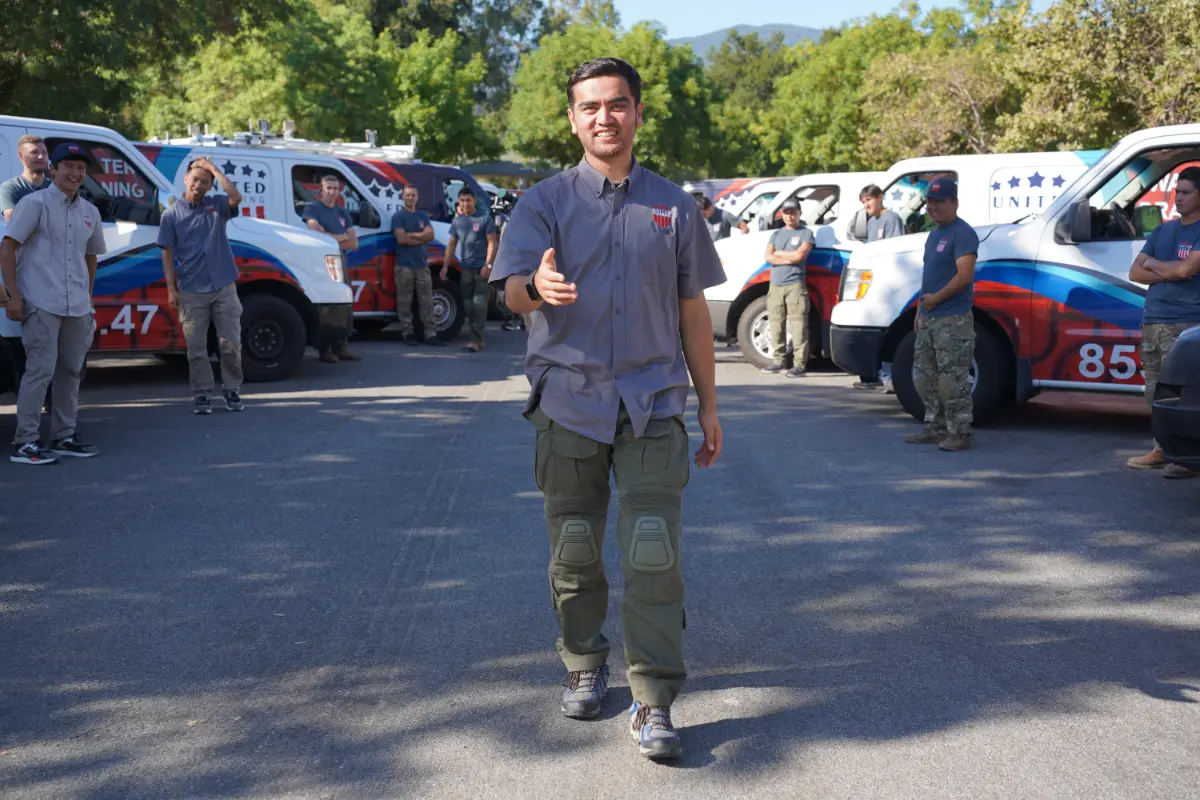
United Plumbing Team
Sewer Line Repair Methods We Offer
Camera Inspection Spot Repair Trenchless Lining Pipe Bursting Full Excavation

Sewer Line Service Areas in Bay Area

We provide sewer line repair and replacement across the following cities and surrounding areas:

San Jose
Fremont
Concord
Walnut Creek
Richmond
Pleasanton
Livermore
Dublin
San Ramon
Vallejo
Napa
Fairfield
Vacaville
Sacramento
Roseville
Davis
Elk Grove

Frequently Asked Questions

Common questions about sewer line repair and replacement in Bay Area.

How much does sewer line repair cost?
Based on the camera findings we present repair options. Spot repair for isolated breaks runs $1,500 to $4,000. Trenchless pipe lining runs $4,000 to $12,000. Full excavation and replacement runs $5,000 to $15,000+. We explain the pros and cons of each method for your situation. No pressure, no upselling. Contact United Plumbing and Water Heaters for an accurate estimate.
How long does sewer line replacement take?
A spot repair on a short accessible section takes 1 day. Trenchless pipe lining takes 1 to 2 days because the resin-saturated liner needs to cure inside the pipe before the line can be put back in service. Trenchless pipe bursting takes 1 to 2 days. Traditional excavation and full replacement on a standard 40 to 50 foot residential lateral takes 2 to 3 days including excavation, pipe installation, backfill, and compaction. Permitting and city inspection add additional calendar time but do not extend the on-site work.
What is the difference between trenchless and traditional sewer repair?
Traditional repair requires digging a trench along the entire length of the sewer line to expose and replace the pipe. This destroys any landscaping, walkways, or driveway sections above the pipe. Trenchless repair works through small access pits at each end of the line. Trenchless pipe lining (CIPP) inserts a resin-coated flexible liner into the existing pipe, inflates it against the pipe walls, and lets it cure into a new pipe within the old pipe. Trenchless pipe bursting pulls a new pipe through the old one while simultaneously breaking the old pipe apart. Trenchless methods save $2,000 to $5,000 in surface restoration costs but not every situation qualifies. A collapsed pipe or severe bellying may still require traditional excavation for the affected section.
Should I repair or replace my sewer line?
If the camera inspection shows one isolated crack or root intrusion point and the rest of the pipe is in good condition, a spot repair is the most cost-effective option. If the camera shows damage in multiple locations, widespread root intrusion, a bellied section, or the pipe material is original clay or cast iron past 50 years old, full replacement is the better long-term investment. A good rule of thumb is to replace when the repair cost would exceed 50% to 60% of a full replacement. Our plumber will show you the camera footage and give you an honest recommendation.
What causes sewer lines to fail?
The four most common causes of sewer line failure in the Bay Area are tree root intrusion through cracked pipe joints, internal corrosion of cast iron pipe, joint separation in clay pipe from soil movement, and ground shifting that creates a belly or sag in the pipe where debris accumulates. Orangeburg pipe (a tar-impregnated cardboard pipe used from the 1940s to 1970s) is particularly prone to collapse and should be replaced whenever encountered. Grease buildup from kitchen waste and non-flushable items like wipes and feminine products accelerate failure on all pipe types.
What is a sewer camera inspection?
A sewer camera inspection uses a waterproof video camera on a flexible rod that is inserted through a cleanout and pushed through the entire length of the sewer lateral. The camera transmits real-time footage to a monitor so the plumber and homeowner can see the interior condition of the pipe. The plumber can identify root intrusion, cracks, collapsed sections, bellied areas, offset joints, scale buildup, and the exact distance from the cleanout to each defect. Camera inspection costs $200 to $400 as a standalone service. Many plumbers include it free when you proceed with the repair.
What is trenchless pipe lining (CIPP)?
CIPP stands for cured-in-place pipe. A flexible felt or fiberglass liner saturated with epoxy resin is inserted into the existing sewer pipe through an access point. The liner is inflated against the interior walls of the old pipe using air or water pressure, then the resin cures and hardens into a smooth, jointless new pipe inside the old pipe. The result is a seamless pipe with no joints for roots to penetrate. CIPP lining can only be used when the existing pipe is structurally sound enough to serve as a host. A collapsed pipe or severe belly does not qualify for lining. A properly installed CIPP liner has a projected lifespan of 40 to 50 years.
What is pipe bursting?
Pipe bursting is a trenchless method that replaces the old sewer pipe with a new HDPE (high-density polyethylene) pipe without digging a full trench. A conical bursting head is pulled through the old pipe, breaking it apart and pushing the fragments into the surrounding soil. A new HDPE pipe is attached behind the bursting head and pulled into place simultaneously. Pipe bursting works on collapsed pipes, severely damaged pipes, and situations where the pipe diameter needs to be upsized from 4 inches to 6 inches. It requires two access pits but no full-length trench.
Does homeowners insurance cover sewer line repair?
Standard homeowners insurance policies in California typically do not cover sewer line repair or replacement caused by age, corrosion, root intrusion, or normal wear. Some insurance companies offer a separate underground service line endorsement that covers these failures for an additional premium of $5 to $15 per month. Check your policy for this endorsement before assuming coverage. If a sewer backup causes interior damage to your home, that portion may be covered under your standard policy depending on the cause and your specific coverage terms.
Do I need a permit for sewer line work?
Yes. In all Bay Area jurisdictions, sewer line repair and replacement require a plumbing permit. If the work extends into the public right-of-way (the section of the lateral between your property line and the city sewer main under the street), a separate encroachment permit is also required. Permit fees range from $250 to $600 for residential work. The permit ensures the installation is inspected for proper slope, pipe material, backfill compaction, and connection integrity. Our plumber handles all permit applications and inspection scheduling as part of the job.

Need Sewer Line Repair or Replacement in Bay Area?

Scroll to Top